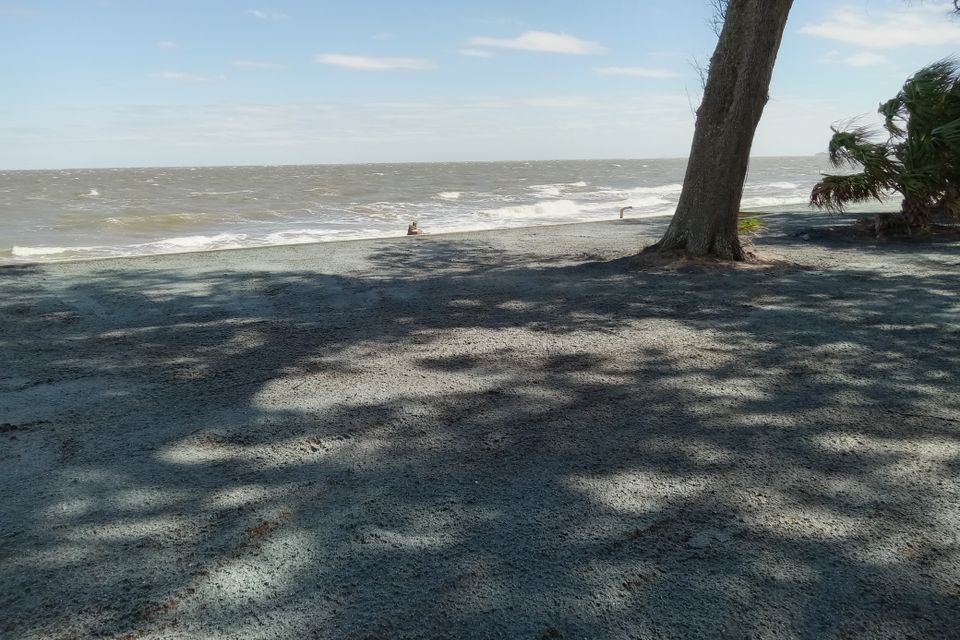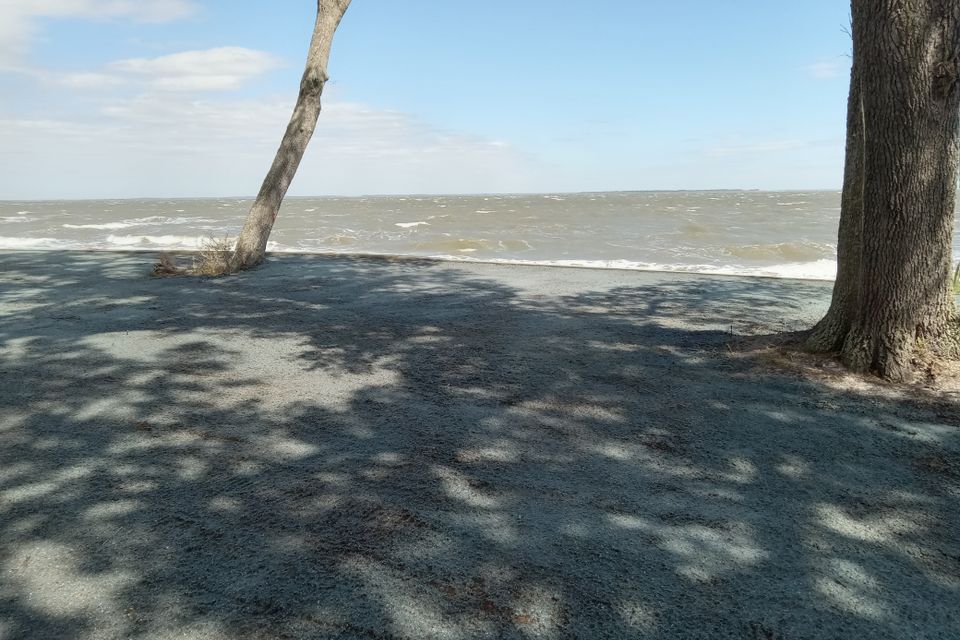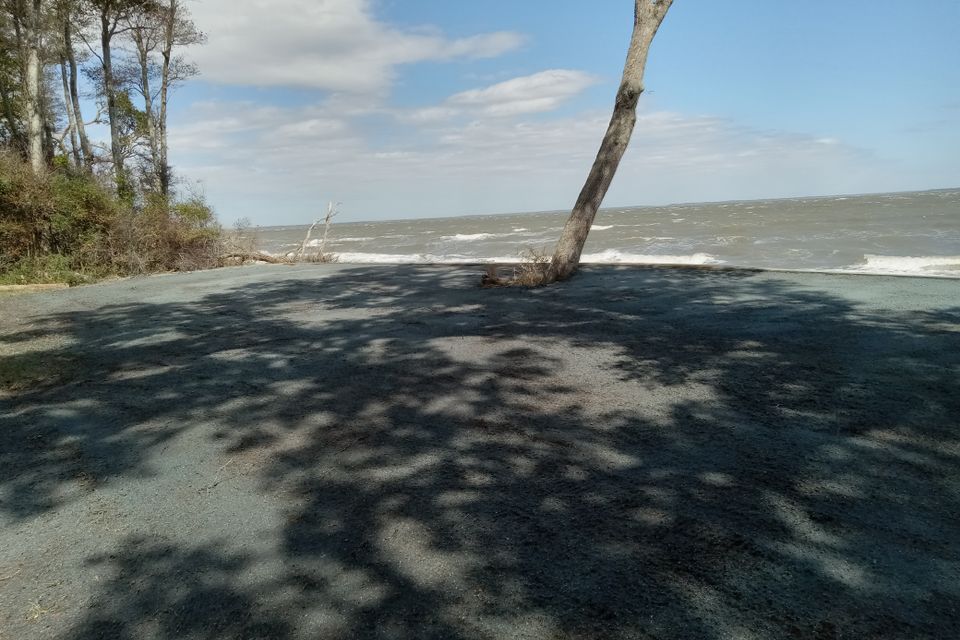
Erosion Control
Hydroseeding for erosion control is a cost-effective, fast-acting technique that sprays a slurry of seed, mulch, fertilizer, and tackifiers to stabilize soil, prevent runoff, and promote rapid vegetation growth. It is ideal for slopes, roadside embankments, and commercial sites, offering a 30%–50% cost advantage over sod.
Key Aspects of Erosion Control Hydroseeding:
Key Aspects of Erosion Control Hydroseeding:
- Effectiveness on Slopes: It is highly effective on steep slopes and hard-to-reach areas where traditional seeding is difficult.
-
Key Components: The mixture often includes:
- Mulch: Wood fiber, paper, or a blend to provide cover.
- Tackifier: An adhesive agent that binds the components together and to the soil.
- Seed: Custom mixes of native grasses or ground cover.
- Benefits: Rapid results (germination within a week), cost-effective, and environmentally friendly.
- Limitations: It is primarily a surface treatment that may not improve deep soil structure, requiring proper soil preparation for best results.
- Alternatives: For extremely steep slopes or high-velocity water areas, hydroseeding is often combined with erosion control blankets or fiber rolls.
- Mechanism: The hydraulic mulch (hydromulch) creates a protective layer that blankets the soil, retaining moisture and holding seeds in place until germination
.